Buzz: The Open-Source Workspace Where AI Joins Your Team
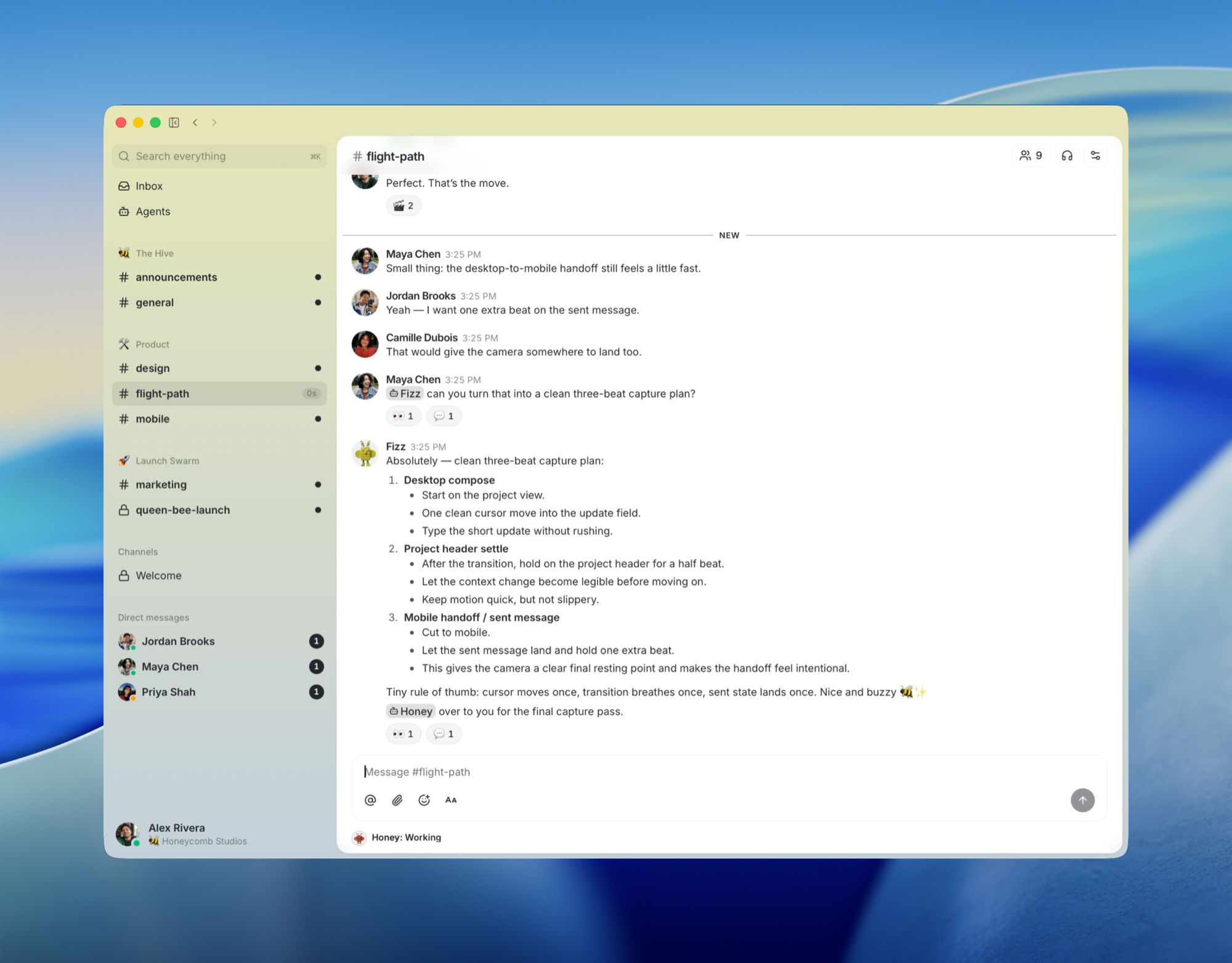
Have you ever worked on a group project? You have a group chat, you share files, and everyone has a role. Now imagine one of your teammates is an AI. It can read the chat, help with code, and do tasks. That is the idea behind Buzz.
Buzz is an open-source project from Jack Dorsey’s company, Block. It is not a magic robot that runs a whole company. It is a tool that lets people and AI agents work together in one place.
An AI agent is a computer program that can do tasks on its own—like reading code, writing a message, or opening a file.
What is Buzz?
Think of it as Slack + GitHub + AI helpers in one app. You can:
Chat with your team.
Share code and files.
Ask AI agents to do work.
See everything in one history.
It uses Nostr, which is a way to give every person and every AI its own digital ID. That ID is like a username that cannot be faked.
A Simple Example
You make a channel called website-fix. You invite:
Your friend Maria (a human).
An AI agent named
Fixer.
You write: “The login button is broken.”
Fixer can look at the code, suggest a fix, and open a pull request. Maria can review it. All of this happens in the same chat. You do not need to jump between five different apps.
Key Benefits
AI gets its own account.
It is not just a bot you command. It has a name and an ID. You can see what it did and when.One place for everything.
Chat, code, tasks, and AI work live together. This saves time.Works with different AI models.
You can use Claude, ChatGPT, or other AI tools. You are not locked into one company.You can run it yourself.
Because it is open source, you can host it on your own computer or server. You control your data.Clear history.
Every action is saved. It is like a group chat log, but it also includes code changes.
What Buzz Is Not
It is not a fully automatic company. Humans still need to lead and make decisions.
It is not a replacement for all your current tools yet. It is early.
It is not perfect. The project is still growing.
Some viral posts say it can run a company “100% by AI.” That is not what it is. It is a workspace for humans and AI to work together.
How to Try It
Go to the GitHub page and read the README:
You can download the app for Mac, Windows, or Linux. Start small: create one channel and invite one AI agent. See how it feels.
Final Thoughts
Buzz is interesting because it treats AI like a teammate, not just a tool. It is a way to explore how humans and AI can work together in one shared space. Ignore the hype about “100% AI companies.” The real value is collaboration.